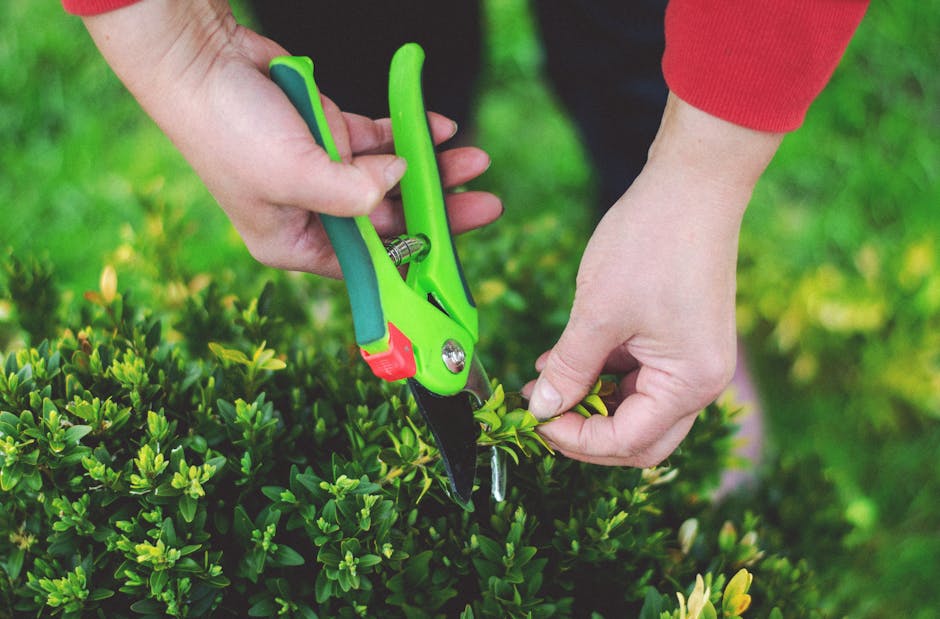
Colham Green Estates Garden Maintenance for Rental Landlords
If you rent out property in Colham Green, the garden can be one of those quiet little details that makes a huge difference. A tidy lawn, trimmed hedges, and a clear path do not just look better; they help tenants settle in faster, reduce complaints, and keep a property feeling cared for. That is why Colham Green estates garden maintenance for rental landlords is worth planning properly rather than leaving it to chance.
In practice, garden upkeep for rental homes is a mix of routine maintenance, seasonal tidy-ups, and sensible risk control. It is also, to be fair, one of the easiest things to let drift when a tenancy is busy. This guide walks through what landlord garden maintenance should include, how it works in real life, and how to choose the right approach for estates, individual lets, and managed rental portfolios in and around Colham Green.
Whether you manage a single house with a back garden or several estate properties with shared frontage, the goal is the same: keep outdoor spaces neat, safe, usable, and easy to hand over at check-in and check-out. Let's get into the practical side of it.
Table of Contents
- Why Colham Green estates garden maintenance for rental landlords Matters
- How Colham Green estates garden maintenance for rental landlords Works
- Key Benefits and Practical Advantages
- Who This Is For and When It Makes Sense
- Step-by-Step Guidance
- Expert Tips for Better Results
- Common Mistakes to Avoid
- Tools, Resources and Recommendations
- Law, Compliance, Standards, or Best Practice
- Options, Methods, or Comparison Table
- Case Study or Real-World Example
- Practical Checklist
- Conclusion
- Frequently Asked Questions
Why Colham Green estates garden maintenance for rental landlords Matters
A rental garden is not just decorative. It affects first impressions, tenant satisfaction, maintenance costs, and sometimes even safety. If the lawn is knee-high, the hedge is spilling into a path, or leaves have blocked a drain, the property can look neglected very quickly. That is a bad look for viewings, renewals, and estate-wide reputation.
For landlords, the biggest issue is consistency. One tenant might be naturally green-fingered and keep everything lovely. The next might have no interest at all. And on an estate, shared areas can become a "someone else will sort it" situation. That is where a clear maintenance plan saves the day.
There is also the practical matter of wear and tear. Overgrown gardens can hide litter, attract pests, damage fencing, and make access awkward for contractors or lettings staff. A simple monthly or seasonal routine can prevent a long, expensive catch-up later. You know the kind of job: what starts as "just a quick tidy" somehow becomes a full day with bags, shears, and a lot of sighing.
In Colham Green, where many properties benefit from usable outdoor space, neat gardens can be a real letting advantage. Tenants do notice whether a home feels looked after. So do prospective tenants. And estate residents tend to notice even more, especially where front gardens or communal edges shape the street's overall feel.
If you are planning wider property care, it may help to look at the broader services overview so garden maintenance fits properly alongside other outdoor and upkeep tasks.
How Colham Green estates garden maintenance for rental landlords Works
Good landlord garden maintenance usually begins with a simple scope: what is included, how often it happens, and who is responsible. That sounds obvious, but it is the bit that gets fuzzy when gardens are handed over with only a verbal agreement. Once the scope is clear, the work can be scheduled in a way that suits the tenancy cycle and the growing season.
For many rental properties, the work falls into one of three patterns:
- Routine upkeep such as mowing, edging, weeding, and basic pruning.
- Seasonal maintenance such as leaf clearance, hedge reductions, and spring or autumn resets.
- Reactive work such as clearing after a void period, overgrowth, storm debris, or tenant neglect.
On estates, there may also be shared external areas, access routes, boundaries, or communal planting that need a separate schedule. The trick is not to treat every garden the same. A shaded courtyard, a larger rear lawn, and a front hedge all behave differently through the year.
A good maintenance visit normally starts with a quick assessment: what is growing fast, what is blocking access, what needs cutting back, and what should be left alone because it is nesting season or simply not the right time for a hard prune. That judgement matters. A rushed cut can do more harm than good.
If the property needs more than tidy-up work, the landlord may combine maintenance with garden clearance for void periods, or arrange lawn mowing and hedge trimming as recurring tasks. Where gardens have tired borders, worn surfaces, or poor layout, it can also make sense to discuss landscape gardening or broader landscaping improvements rather than just maintenance.
Key Benefits and Practical Advantages
The benefits of a reliable garden maintenance plan are not abstract. They show up in fewer complaints, smoother inspections, better photos, and less time spent chasing avoidable problems. For landlords, that can be the difference between a garden that quietly supports the property and one that keeps creating friction.
Some of the clearest advantages are:
- Better presentation for viewings - A tidy garden helps the whole property feel more welcoming.
- Reduced tenant disputes - Clear expectations mean fewer arguments about whose job it is to mow, weed, or clear leaves.
- Lower long-term cost - Regular maintenance is usually easier than rescuing an overgrown garden.
- Improved safety - Clear paths, cut-back growth, and stable boundaries reduce trip and access hazards.
- Less stress during void periods - A property can be turned around faster when the outside space is already under control.
- More consistent estate appearance - On multi-property holdings, visual consistency matters a lot.
There is also a softer benefit that landlords sometimes underestimate: confidence. When you know the garden is being looked after properly, you do not have that nagging worry before inspections. It sounds small. It is not small.
And yes, a well-kept garden can help the property feel "move-in ready" even if the interior has the usual landlord jobs still on the list. That fresh outdoor look matters more than people admit.
Who This Is For and When It Makes Sense
This kind of maintenance makes sense for a wide range of landlords, but the details change depending on the property type and tenant profile. For a single-family rental with a back garden, the goal might be simple: keep the lawn manageable and stop the borders from turning wild. For estates or blocks with shared external space, the focus shifts towards consistency, safety, and access.
It is especially useful when:
- a tenant is moving out and the garden needs resetting;
- the property has a sizeable garden that tenants struggle to maintain;
- the lease or tenancy agreement places garden responsibility clearly on the landlord;
- the property sits in an estate where appearance affects nearby homes;
- the garden has hedges, mature trees, decking, or awkward access points;
- there have been previous issues with neglect, fly-tipping, or overgrowth.
If you are managing older stock, you may find garden jobs are tied to other repairs. For example, a cracked fence post, a slippery deck, or a tree branch leaning too far into a boundary can become a bigger issue if left until the next inspection. In those cases, services like decking services or tree lopping and removal can be part of a broader property care plan.
Truth be told, the more tenants a landlord manages, the more valuable a standard process becomes. Without one, every garden ends up being a one-off conversation. And that is where things get messy.
Step-by-Step Guidance
If you want a practical way to handle garden maintenance without overcomplicating it, the following approach works well for most rental properties.
- Inspect the garden properly
Walk the space slowly. Check lawns, hedge lines, beds, paths, gates, fencing, drains, decking, and any areas where rubbish tends to collect. Look at it from the tenant's point of view as well as your own.
- Define responsibility
Decide what the landlord handles, what the tenant handles, and what sits in a grey area. Put that in writing if possible. A tidy arrangement now saves awkwardness later.
- Set a schedule
Some gardens need fortnightly mowing during the growing season. Others only need monthly attention and seasonal cut-backs. There is no magic number; it depends on the plot, planting, and usage.
- Prioritise safety and access
Remove hazards first: overhanging branches, blocked paths, broken edging, slippery surfaces, and bramble growth around access routes.
- Choose the right type of visit
A routine maintenance visit is different from a clearance job. If the space is heavily neglected, start with a reset, then move into maintenance. That sequence matters.
- Document what was done
Keep photos and a simple log of visits. Nothing fancy. Just enough to show the garden was maintained if questions come up later.
- Review after tenancy changes
Void periods are a good moment to reassess whether the schedule still fits the property. A garden may need more or less attention after a long tenancy.
A small practical note: if the garden is known to be fast-growing, do not wait until it looks "bad enough" to act. By then, the job usually costs more and takes longer. That is one of those annoying truths landlords learn the hard way.
Expert Tips for Better Results
There are a few habits that make landlord garden maintenance much more effective. None are complicated, but together they save time and headaches.
- Use the seasons properly. In spring and early summer, lawns and hedges often need the most attention. In autumn, leaves and debris become the main issue. Winter is more about structure, drainage, and keeping things tidy.
- Keep planting simple where possible. A low-maintenance garden is easier to manage across multiple tenancies. Mixed borders can look lovely, but they are not always landlord-friendly.
- Do not ignore hedges and edges. A lawn can look acceptable, but if the edges are ragged and the hedge is bulging into the path, the whole place feels unfinished.
- Think about the next tenant, not just the current one. What looks fine to someone who has lived there for years may look worn-out to a viewer on a rainy Tuesday afternoon.
- Build in a reset option. For voids or neglected spaces, a one-off tidy may be followed by a lighter maintenance rhythm. That is often the sweet spot.
One small observation from real-world property care: a garden rarely fails all at once. It slips. A patch of moss here, a hedge there, a few weeds around the paving, and then suddenly the whole outdoor area feels tired. Catch it early and you will spend less. Simple as that.
If sustainability matters to you as well as presentation, it can help to review a contractor's approach to waste handling and garden waste reuse. The recycling and sustainability approach on the site is a useful reminder that responsible disposal should be part of the job, not an afterthought.
Common Mistakes to Avoid
Most garden maintenance problems for landlords are not dramatic. They are the result of small oversights stacking up. Here are the ones worth avoiding.
- Leaving responsibility unclear. If nobody knows who is meant to mow, prune, or clear leaves, nobody does it properly.
- Only acting when a tenant complains. By then, the job is often bigger and the tenant relationship has already taken a knock.
- Assuming every garden needs the same schedule. A small paved courtyard and a mature boundary hedge are not the same thing.
- Skipping seasonal work. Hedges, shrubs, and trees do not politely wait until you have time.
- Forgetting about access routes. A pretty garden is less useful if the path is cluttered or awkward to walk through.
- Choosing cosmetic fixes over structural ones. If the real issue is poor layout or drainage, a quick tidy will only go so far.
There is also a temptation to "save money" by stretching visits too far apart. Sometimes that works for a while. Often it backfires. The hedge gets too big, the lawn gets patchy, and what should have been a routine visit turns into a catch-up job. Not ideal.
Tools, Resources and Recommendations
For landlords who like to stay organised, the right tools are mostly practical rather than fancy. You do not need a complex system. You need a repeatable one.
Useful things to keep in place include:
- a property-specific maintenance schedule;
- before-and-after photos for each visit;
- notes on who is responsible for what;
- a record of seasonal jobs such as hedge cuts or clearance;
- a list of access instructions for contractors;
- a separate note for any safety concerns, such as loose steps, unstable fencing, or slippery decking.
When choosing a contractor, look beyond the headline price. Ask how they handle garden waste, whether they can manage both routine and one-off work, and how they deal with timing around tenancies or voids. If the property needs a larger intervention, it may be useful to compare garden maintenance with clearance or longer-term landscaping work so you know which route is actually the better fit.
If you are still shaping the service level, the pricing and quotes page can help set expectations around how professional garden work is usually scoped. And if you want a clearer view of how a company operates, a quick read of about us often tells you whether the team sounds organised and practical or just polished on the surface.
Law, Compliance, Standards, or Best Practice
Rental landlords should be careful not to treat gardens as an afterthought from a compliance point of view. While the precise legal responsibilities depend on the tenancy agreement, the property type, and the condition of the outdoor space, best practice is straightforward: keep gardens safe, accessible, and in a condition that does not create avoidable risk.
In UK rental practice, the main considerations usually include:
- Clear responsibility - The tenancy or lease should say who handles garden care.
- Safety - Overgrown paths, unstable branches, loose paving, and slippery surfaces can become hazards.
- Reasonable upkeep - Landlords should not leave gardens to become unmanageable if the property is marketed with usable outdoor space.
- Waste handling - Garden waste should be removed and disposed of properly.
- Access for maintenance - Contractors need practical access to do the work safely and efficiently.
Where trees, large shrubs, decking, or boundary structures are involved, the safest approach is usually to inspect regularly rather than wait for visible damage. If a branch is clearly becoming a problem, or a structure is beginning to rot or shift, that is the moment to act. Not after the next windy night.
It is also sensible to keep an eye on health and safety documents, insurance arrangements, and contractor practices. Pages such as health and safety policy and insurance and safety are helpful signals that a provider takes the work seriously. That matters when you are trusting someone around tenant-access areas and external property features.
For landlords who want a fair and transparent working relationship, practical policies matter too. You can review the provider's terms and conditions alongside the service scope so expectations are clear before work begins.
Options, Methods, or Comparison Table
Different rental gardens need different levels of involvement. Here is a simple comparison that may help you choose the right approach.
| Approach | Best for | Advantages | Watch-outs |
|---|---|---|---|
| Routine maintenance visits | Occupied rentals with steady growth | Keeps everything tidy, predictable, and easier to manage | Needs regular scheduling and clear responsibility |
| Seasonal tidy-ups | Properties that only need periodic attention | Good for leaf fall, hedge cuts, and spring resets | Can feel reactive if left too long between visits |
| Void-period clearance | Empty or neglected gardens | Quickly restores presentation and access | May uncover larger issues that need follow-up work |
| Landscaping improvements | Gardens that are hard to maintain or poorly designed | Can reduce future effort and improve letting appeal | Higher upfront commitment than simple maintenance |
For many Colham Green estates, the best answer is a blend: routine mowing and edging in growing months, seasonal hedge work, and a larger reset when a property changes hands. That is usually the most sensible balance of cost and control.
Case Study or Real-World Example
Imagine a landlord with three rental homes on the same estate. One has a small front lawn and a hedge, another has a rear garden with mature shrubs, and the third has a shared access strip that tends to collect leaves and litter. None of them is a disaster, but all three are drifting.
At first, the landlord tries to manage it informally. One tenant cuts the grass now and then. Another says they thought it was the landlord's job. The shared strip gets ignored because nobody feels responsible for it. By early autumn, the estate starts to look tired, even though the buildings themselves are fine.
Once a proper schedule is introduced, things improve quickly. The lawn is cut on a regular cycle, the hedge is trimmed before it spills over the path, and the shared strip is included in a monthly tidy. During a void period, the rear garden gets a clearance so it can be reset rather than patched over. Nothing dramatic. Just steady, organised care.
The result is not just visual. Viewings feel easier. Tenants complain less. The outdoor spaces become part of the property's value instead of a recurring headache. And that, honestly, is what most landlords want.
Practical Checklist
Use this checklist to keep Colham Green rental gardens under control without overthinking it.
- Confirm who is responsible for garden maintenance in writing.
- Check lawns, hedges, borders, paths, decking, and fencing regularly.
- Set a seasonal schedule rather than waiting for visible overgrowth.
- Include void-period resets where needed.
- Keep access routes clear and safe.
- Arrange garden waste removal as part of the job.
- Take before-and-after photos for records.
- Review whether the garden layout is practical for tenant upkeep.
- Use a contractor who understands landlord timelines and estate presentation.
- Reassess after each tenancy change, especially if the last tenant struggled with upkeep.
Expert summary: the best landlord garden strategy is usually the simplest one that can be repeated. Keep it tidy, keep it safe, and do not let "a bit of growth" turn into a full-blown recovery job. That little bit of discipline pays off.
Conclusion
For rental landlords in Colham Green, garden maintenance is not just about keeping things pretty. It supports property value, tenant satisfaction, safety, and the overall impression of the estate. A tidy outdoor space makes a home feel cared for. An untidy one does the opposite, even if the interior is spotless.
The smartest approach is usually a clear, repeatable maintenance plan with room for seasonal work, void-period resets, and occasional improvements where the garden design itself is holding the property back. Keep the responsibility clear, the schedule realistic, and the records simple. That is the quiet, dependable route.
If you are weighing up regular upkeep, a one-off clearance, or a more structured external care plan, now is a good time to take the next step and get advice that fits your property rather than guesswork.
Get a free quote today and see how much you can save.
And if you do it properly now, future you will be grateful. Probably with a cup of tea and a much calmer inspection day.
Frequently Asked Questions
What does garden maintenance include for rental landlords?
It usually includes mowing, hedge trimming, weeding, edging, leaf clearance, basic pruning, and tidying access routes. Some properties also need occasional tree work, decking care, or larger clearance after a void period.
How often should a rental garden be maintained?
That depends on size, planting, and season. Many gardens need more frequent attention in spring and summer, while autumn often brings leaf clearance. A simple monthly or fortnightly cycle is common for active lawns.
Who is responsible for the garden in a rental property?
It depends on the tenancy agreement. Some landlords handle all external care, while others expect tenants to manage basic upkeep. The important part is that responsibility is set out clearly, ideally in writing.
Is garden clearance the same as garden maintenance?
No. Garden clearance is usually a bigger reset job for overgrown, neglected, or void properties. Maintenance is the ongoing work that keeps the garden in good condition after it has been cleared.
What should landlords do before a new tenant moves in?
Check whether the garden has been left tidy, remove waste, cut back overgrowth, and make sure paths and access points are safe. A clean, manageable outdoor space makes the handover much smoother.
Can garden maintenance help reduce tenant complaints?
Yes, very often. Clear expectations and regular upkeep reduce arguments about responsibility and stop outdoor areas from becoming a source of friction. It is one of those small things that prevents bigger problems later.
What if the garden has become badly overgrown?
Start with a clearance or heavy tidy-up, then move into a regular maintenance plan. Trying to maintain a neglected garden without resetting it first usually leads to frustration and uneven results.
Do landlords need to think about safety in the garden?
Absolutely. Overhanging branches, slippery decking, unstable fencing, and blocked access routes can all become hazards. Regular inspections are a sensible part of rental property care.
Is it worth improving the garden rather than just maintaining it?
Sometimes yes. If the layout is difficult or the planting is too high-maintenance, landscaping changes may save money and effort over time. A practical garden is often better than a fussy one.
How do I choose between regular maintenance and a one-off tidy?
If the garden is already in decent condition, maintenance is usually the right choice. If it has been left to grow for a while, a one-off tidy or clearance first is usually smarter before starting a regular schedule.
Can outdoor presentation affect rental value?
It can influence perceived value and interest, even when tenants are mainly judging on location and interior condition. A neat garden suggests the property has been properly looked after, which matters more than people think.
What should I ask a garden contractor before booking?
Ask what is included, how often they recommend visits, how they handle waste, whether they can work around tenancies, and how they document completed work. Clear answers are usually a good sign.